Last updated: November 12, 2026 · by LINK-SHINE SMART TECHNOLOGY LTD
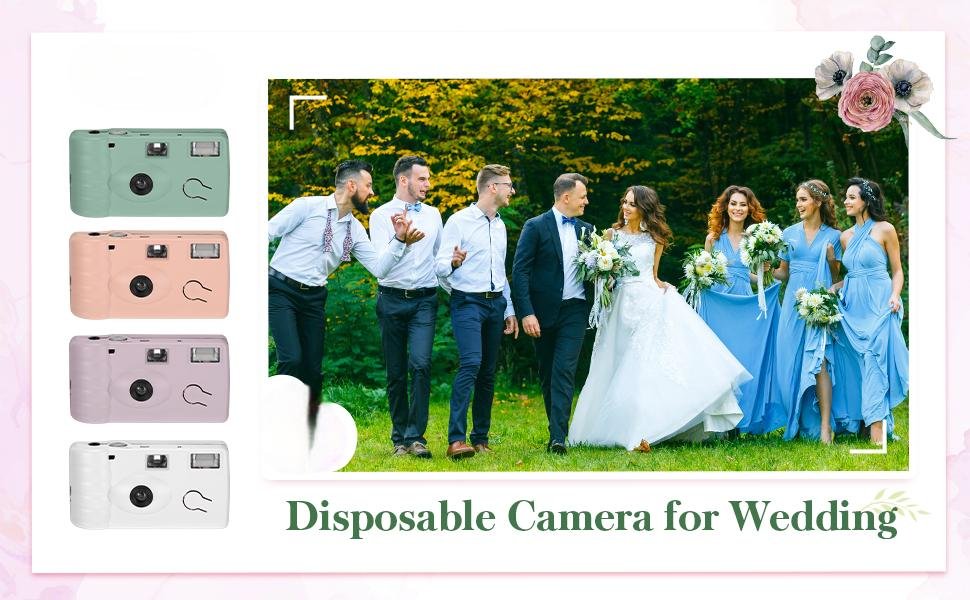
A giveaway camera is not a cheaper camera. It is a different job, and buyers who order one like it is a wedding favour tend to waste money and get weak results. A promotional camera is a sampling device — it gets handed out, carried around, photographed with, and probably left in someone’s coat pocket. That is exactly the point. Your logo goes home with people who would never have clicked a banner ad, and it keeps showing up in the photos they take of the camera — and in their social feeds — for months afterward.
We shipped a 1,000-unit promotional project for an e-commerce brand once, and that order taught us more about giveaways than anything else we have done. Most of what follows comes from that run.
What a giveaway camera actually does for a brand
Think about the journey of a flyer. It gets read for three seconds and binned. A branded camera gets picked up, aimed at people, passed between friends, and unboxed in front of a phone camera. That unboxing moment matters more than it sounds — when people photograph the camera itself, your logo enters their social feeds for free.
The honest part: most recipients shoot the whole roll in one evening and never think about the camera again. So the design goal is not “a product people keep forever”. It is a camera that delivers your logo and your message during a single, concentrated window of attention, at a unit cost that makes 500 or 1,000 pieces feel reasonable. If you keep the camera for years, a reusable model is the better vehicle — we cover that trade-off in our disposable vs reusable comparison.
Three ways to use disposable cameras, three different briefs
Giveaway programmes get confused with wedding orders and retail orders because all three use the same product. They do not. The camera’s job changes, and so does the brief you should write.
| Promotional giveaway | Wedding / event favour | Retail or resale programme | |
|---|---|---|---|
| Who receives it | Event attendees, customers, subscribers, trade show visitors | Wedding or party guests | End consumers buying it in a store or online |
| The camera’s job | Carry the logo, get used once, get photographed | Capture the evening with zero instructions | Work reliably when sold, full retail presentation |
| Customization level | Logo on body, printed sleeve or sticker, branded inner box | Logo printing, stickers/sleeves, printed inner colour boxes | Full private label: shell colour, box, manual, barcode, retail-ready carton |
| Typical quantity | From 20 pcs; most runs land between a few hundred and a few thousand | From 20 pcs — one small order usually covers it | 20–100 pcs, set by model and decoration level |
| Lead time | Stock samples in 1–3 working days; bulk in 10–15 working days after artwork approval | Same production stages | Same production stages |
| The main risk to plan for | Cameras walking off with attendees | Running out of cameras before the end of the night | Wrong specification or paperwork for the market |
The giveaway column is the one buyers underestimate. Quantity, not price, is where these projects go wrong — so work through that before anything else.
Planning the quantity
The simple rule: one camera per attendee, then add a buffer. If the cameras are being handed out at registration or on every table, you can plan closer to one per person and nobody will notice. If they are being given to a subset — early buyers, VIP guests, subscribers who complete a survey — count the recipients, not the audience.
The buffer is not optional. Cameras leave events in pockets, on tables, in bags, and sometimes in the hands of people who were never supposed to get one. Add 10 to 20 percent over your strict count, every time. This is the same advice we give wedding buyers in our event-type planning guide and our wedding headcount guide, and it holds here for the same reason: nobody ever regrets the spares.
One ordering habit saves real money on giveaways. Two small runs mean two setups on the production line — the jig loaded, the artwork plate mounted, the spray station adjusted — and two waits in the queue. One run with a buffer costs more per camera and far less in total headaches.
What actually gets customized
The customization ladder for a giveaway is shorter than a full private label programme, but it still has steps, and each step is someone on the line preparing something.
Logo on the body. Spray, UV or laser — the choice depends on the shell finish and where the logo sits. The artwork file gets prepared, proofed, and mounted on the printing station before the run commits.
Sleeves and stickers. The “photo booth wrapper” style is what most giveaway buyers ask for. It covers the camera body without touching the shell, and it is the cheapest way to make a stock camera look branded.
Printed inner boxes. A colour box with your artwork turns a giveaway from “a camera in plastic” into a branded unboxing. This is the single highest-leverage element for social sharing, because it is what gets photographed first.
Barcodes and retail-ready cartons. Optional for giveaways, but if the cameras might end up on a shelf or in a reseller’s store, we label and carton them accordingly.
For the heavier end — shell colour, printed manuals, full retail cartons — that is private label territory, and the MOQ conversation moves from “from 20 pieces” into the 20–100 range by model and decoration. Our MOQ guide walks through exactly how that minimum is set.
The 1,000-unit run: what we learned
A 1,000-unit promotional order is a different animal from a 200-unit wedding order, and mostly in ways buyers do not expect.
The artwork lock matters more than the quantity. At 1,000 units, a change requested after approval means re-proofing and re-prepping the printing station. Lock the logo position, print size, colours and box layout on a pre-production proof, sign off, and resist the urge to refresh the design afterward. The camera is a souvenir — the design should feel deliberate on day one, not revised by committee.
The buffer ran out. The brand planned distribution perfectly and ran short on the last day of the campaign because cameras had drifted into staff pockets and vendor hands. We re-ran 200 units. That second run cost more per unit than the original order would have. If you are planning a multi-day giveaway, order the buffer up front — it is cheaper than a top-up run.
The short roll changed the math. For a pure logo-exposure drop, the client had us load 12-exposure rolls instead of the standard 27. Fewer frames per camera meant the cameras dispersed across more people over the campaign. For an event-based giveaway where guests actually photograph the evening, 27 remains the default — that is the balance most buyers land on, and our range covers 8 / 12 / 17 / 24 / 27 / 36 exposures.
The box did the second campaign. Roughly half the social posts about the giveaway that we saw were photos of the camera and its box, not photos taken with the camera. The branded inner box earned its money back on its own.
Production timeline for a giveaway run
The stages are the same whatever the quantity. What changes is how much buffer you plan around them.
Stock samples of up to 5 pieces ship in 1–3 working days. Customised samples — logo, sleeve, box — take longer because artwork has to be prepared and proofed first; we quote that window at 5–7 working days, the same wording as our FAQ page. Bulk production runs 10–15 working days after the pre-production proof is approved.
Working backwards from a campaign date: if you need the cameras in hand three weeks from approval, that works. Tighter than that, and you are asking production to skip a proofing round, which is where quality problems come from.
One piece of paperwork worth mentioning. Our range is developed for CE, FCC, RoHS, UKCA and KC market requirements, and certificates are model-specific — tell us the exact models and the destination market and we confirm which report covers the units you receive. A giveaway shipped to the wrong market without the right paperwork becomes a problem for whoever is distributing it, not for us.
About pricing
We do not publish prices, and a giveaway order is the worst case for a list price anyway — unit cost moves with quantity, decoration and packaging so much that any published figure would be wrong within a week. Contact us with your quantity, the customization you want and the destination market, and we will quote against that. We quote EXW, FOB, CIF and DDP; FOB Shenzhen is our default.
Common questions
What is the MOQ for promotional giveaway cameras?
Wedding and event-type custom projects start from as low as 20 pieces — that covers logo printing on the body, custom sleeves or stickers, and printed inner boxes. Standard programmes run 20–100 pieces depending on the model and decoration level. The MOQ guide breaks down which minimum applies to which order type.
Can I put my logo on giveaway cameras?
Yes. Logo printing on the body (spray, UV or laser), custom sleeves and stickers, and printed inner colour boxes are all standard giveaway options. Barcodes and retail-ready cartons can be added if the cameras may reach a shelf.
How many cameras should I order for my giveaway?
Start at one per recipient, then add 10–20 percent as a buffer. Cameras walk off at events — that is normal, and planning for it is cheaper than a second production run. For guidance by occasion, our event planning guide covers quantities for different settings.
How long does a giveaway order take?
Stock samples ship in 1–3 working days. Customised samples take 5–7 working days because artwork is prepared and proofed first. Bulk production runs 10–15 working days after the pre-production proof is approved, plus shipping. For a fixed campaign date, three to four weeks of lead time leaves room for one revision round.
Which exposure count should a giveaway camera use?
It depends on the job. 27 exposures is the standard and suits event-based giveaways where guests photograph the evening. For a pure logo-exposure drop over many days, shorter rolls — 8, 12 or 17 — spread the cameras across more people. Our range covers 8 / 12 / 17 / 24 / 27 / 36.
Do giveaway cameras need certification?
Our range is developed for CE, FCC, RoHS, UKCA and KC market requirements, and certificates are model-specific. Tell us the models and the destination market and we will confirm which report applies, so the paperwork matches the units you distribute.
What are the shipping terms?
We quote EXW, FOB, CIF and DDP. FOB Shenzhen is our default. Shipping method depends on the quantity and the schedule you need — we will advise as part of the quotation.
What if my giveaway runs longer than planned?
Order the buffer up front. A top-up run means a second setup on the production line and a second wait in the queue, which costs more per unit than including the spares in the original order. Ten to twenty percent over your strict count covers most drift.
Plan your giveaway with us
Send us the event or campaign type, the planned quantity, your date and the market you are shipping to — contact us here. We will come back with a model recommendation, the exposure count that fits the drop, and a quotation, usually within one business day. If 20 pieces is enough, we will say so; if a second run is a bad idea, we will tell you that too.
Browse disposable film cameras → · Vintage Disposable Camera 35mm with Flash (27 Exposures) · Disposable Camera 35mm with Flash for Weddings & Parties · Applications
Last updated: November 2026